

גאווה-משפחתית: תרגום הספר FRANCOIS מצרפתית לאנגלית ומאנגלית לעברית
7 בדצמבר, 2025לתשומת לבכם: זו רשימת הפוסטים הקשורים אחד לשני – ומומלץ לקרוא את כולם.
Please note: This is a list of posts that are related to each other, and it is recommended to read them all
Remarque : Cette liste regroupe des articles liés entre eux ; il est recommandé de tous les lire
François, mon cousin français
פרנסואה, בן-דודי הצרפתי
Translation of the book FRANCOIS from French to English and from English to Hebrew
תרגום הספר FRANCOIS מצרפתית לאנגלית ומאנגלית לעברית

I promised to translate the autobiographical book written by my French cousin for our family members who do not speak French – the original language in which the book was written.
The translation process included the following steps:
The pages that were decided to be translated were scanned and saved in PDF format
The texts in the original language in French – were copied and translated from French to English using the Google Translate translation software.
The English translation was sent by email to the author François Reitberger, who is fluent in both languages, and he went through the “machine translation” and made the necessary corrections so that the refined and revised translation would reflect the original text and the author’s intention as written in French. [Hereinafter “the revised translation into English”]
The “revised-translation-into-English” was forwarded back to Victor Hertzberg, who used the Google Translate translation software to translate the “revised-translation-from-English” – into Hebrew.
After the translation was received into Hebrew, Victor Hertzberg checked it, and made the necessary corrections and adjustments.
After both translations were ready, they were uploaded to this page on the “Milim” website for the benefit of the family members, and also other readers who may be interested in the life story of François Raitberger, as he wrote them down in his autobiographical book:
FRANCOIS par FRANCOIS RAITBERGER
– will be able to read the things in English translation and Hebrew translation.
The photographs were scanned from the book and attached to the translation. – which is available to readers.
את הספר האוטוביוגרפי שחיבר בן דודי הצרפתי הבטחתי לתרגם בעבור בני משפחתנו שאינם שולטים בצרפתית – היא שפת המקור בה נכתב הספר.
תהליך התרגום כלל את השלבים הבאים:
הדפים שהוחלט לתרגמם נסרקו ונשמרו בפורמט PDF ;
הטקסטים בשפת המקור בצרפתית – הועתקו ותורגמו מצרפתית לאנגלית באמצעות תוכנת התרגום GOOGLE-TRANSLATE `
התרגום לאנגלית נשלח במייל למחבר פרנסואה רייטברגר השולט היטב בשתי השפות – והוא עבר על “תרגום-המכונה” ותיקן את התיקונים המתבקשים על מנת שהתרגום המעודן והמתוקן – יהלום את הטקסט המקורי ואת כוונת המחבר כפי שנכתב בצרפתית. [ להלן “התרגום-המתוקן-לאנגלית” ]
“התרגום המתוקן-לאנגלית” הועבר חזרה לויקטור הרצברג, הח”מ – שנעזר בתוכנת התרגום GOOGLE-TRANSLATE לשם תרגום “התרגום-המתוקן-מאנגלית” – לעברית.
לאחר שנתקבל התרגום לעברית – בדק אותו ויקטור הרצברג, וביצע את התיקונים וההתאמות הנחוצות;
לאחר ששני התרגומים היו מוכנים : הם הועלו לדף זה באתר “מילים” לטובת בני המשפחה – וגם קוראים אחרים שיתענינו בסיפור חייו של פרנסואה רייטברגר, כפי שהעלה אותם על הכתב בספרו האוטוביוגרפי :
FRANCOIS par FRANCOIS RAITBERGER –
יוכלו לקרוא את הדברים בתרגום לאנגלית ובתרגום לעברית.
התצלומים נסרקו מן הספר וצורפו לתרגום. – העומד לרשות הקוראים.
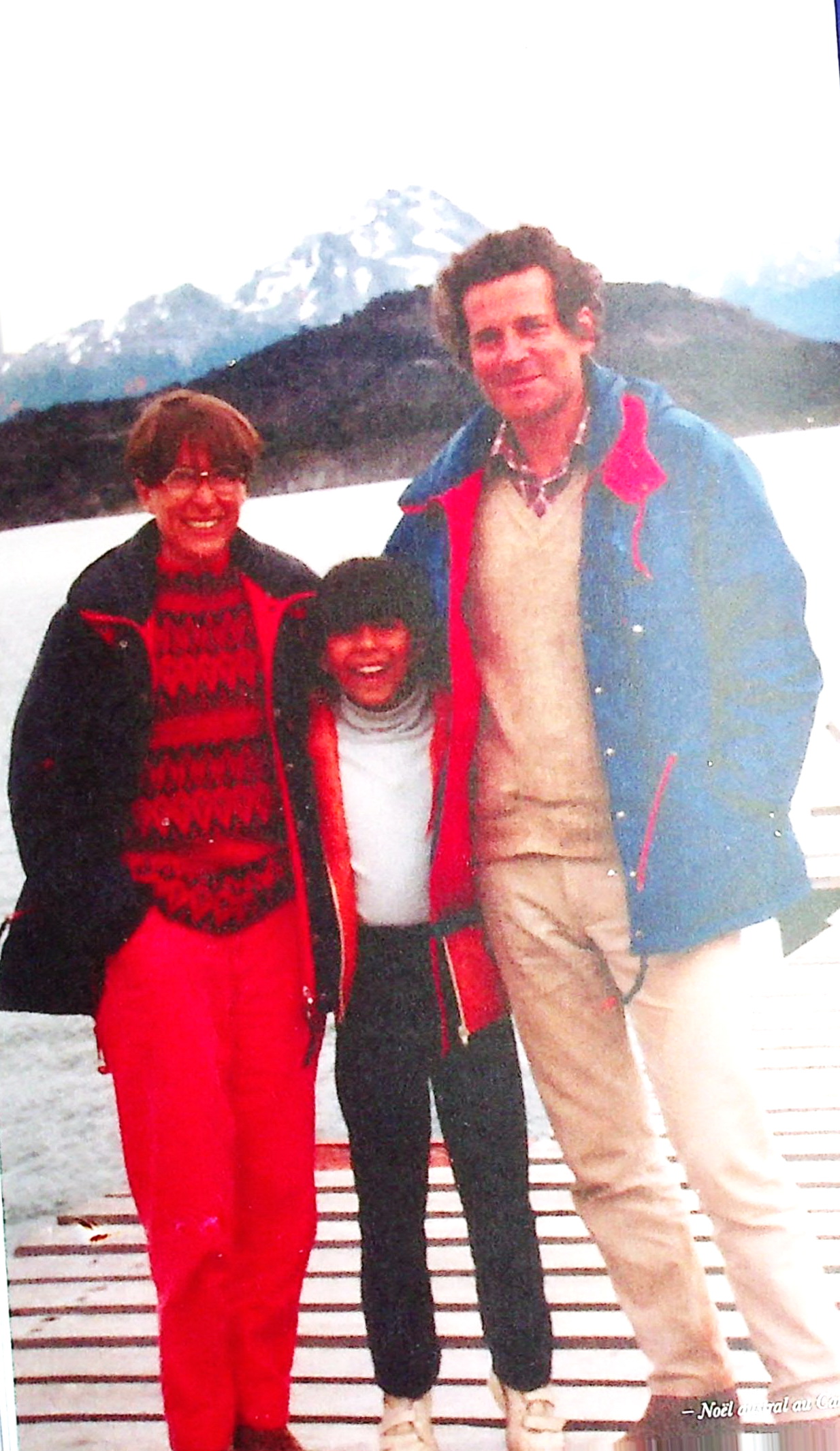
PAGE 7
This story aims to complement Marie-Christine’s life by evoking my
own. Elsa will better understand why her father was often absent. It
begins, in the midst of the war, with the end of the Polish family, a tiny
part of a tragedy that still weighs heavily on the world 80 years later.
Some parts will only interest close relatives. But it provides some
context and tells the little story behind certain events that will remain
in history books. It undoubtedly leaves many gaps, but questions are
meant to fill them.
סיפור זה נועד להשלים את סיפור חייה של מארי-כריסטין על ידי יצירת
סיפורים משלי. אלזה תבין טוב יותר מדוע אביה נעדר לעתים קרובות.
הסיפור מתחיל, בעיצומה של המלחמה, עם סופה של המשפחה הפולנית,
חלק זעיר מטרגדיה שעדיין מכבידה על העולם 80 שנה מאוחר יותר. חלקים
מסוימים יעניינו רק קרובי משפחה. אך הוא מספק קצת הקשר ומספר את
הסיפור הקטן שמאחורי אירועים מסוימים שיישארו בספרי ההיסטוריה. אין
ספק שהוא משאיר פערים רבים, אך שאלות נועדו למלא אותם.
PAGE 10
Auriliac, the War • 1942-45
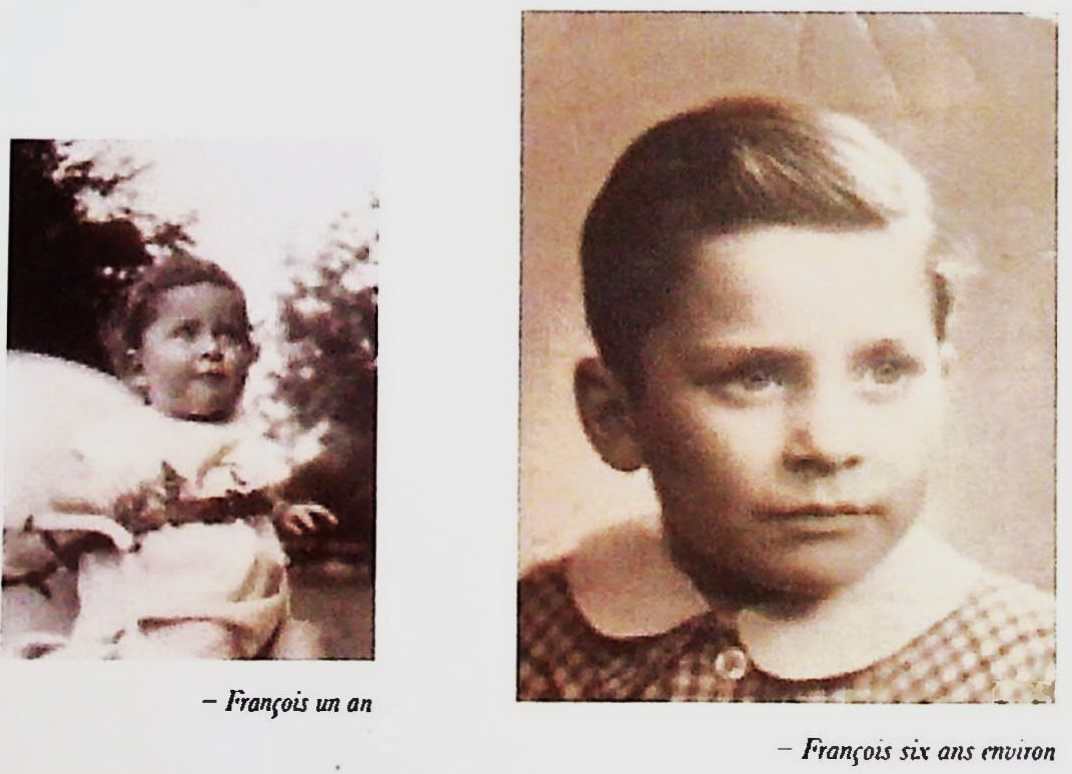
One had to be optimistic to have a child in France in 1941, especially for a Polish Jew. One had to be even more optimistic when I was born in June 1942, at the darkest point of the war, one month before the roundup during which 13,000 Jews were arrested and deported. My father had only been French for six years; his first name, Adolf – what irony! – was Gallicized to Adolphe, the Polish name Rajtberger became the German Reitberger, then Perrone Raitberger as the naturalization papers progressed. First names have meaning. Parents sometimes saddle their children with pompous or ridiculous names that will handicap them. The wartime parents marked themselves: it will always be known that the parents of the Philippes were Pétainists, those of the Charleses, Gaullists. Mine called me François, meaning French, in a nationalist gesture of resistance. Five years earlier, they had baptized my sister Magali to enshrine in the family the Provence of my mother, Marie-Madeleine “Poupette” Fabre.
אוריליאק, המלחמה • 1942-45
אדם צריך להיות אופטימי כדי להביא ילד לעולם בצרפת בשנת 1941, במיוחד עבור יהודי פולני. היה צריך להיות אופטימי עוד יותר כשנולדתי ביוני 1942, בנקודה האפלה ביותר של המלחמה, לפני המצוד בוול-דהיב, שבמהלכו נעצרו וגורשו 13,000 יהודים. אבי היה צרפתי רק שש שנים; שמו הפרטי, אדולף – איזו אירוניה! – שונה לגאליציאנית לאדולף, השם הפולני רייטברגר הפך לריטברגר הגרמני, ואז לרייטברגאר ככל שמסמכי ההתאזרחות התקדמו. לשמות פרטיים יש משמעות. הורים לפעמים אוכפים על ילדיהם שמות פומפוזיים או מגוחכים שיגבילו אותם. הורי במלחמה הרגישו מושפעים ממנה בעצמם: תמיד היה ידוע שהוריהם של משפחת פיליפ היו פטאניסטים, אלה של משפחת ארלס, גוליסטים. אבי שלי קרא לי פרנסואה, שפירושו צרפתי, במחווה לאומנית של התנגדות. חמש שנים קודם לכן, הם הטבילו את אחותי מגאלי כדי להנחיל במשפחתה את הפרובנס של אמי, מארי-מדלן “פופט” פאברה.
Page 11
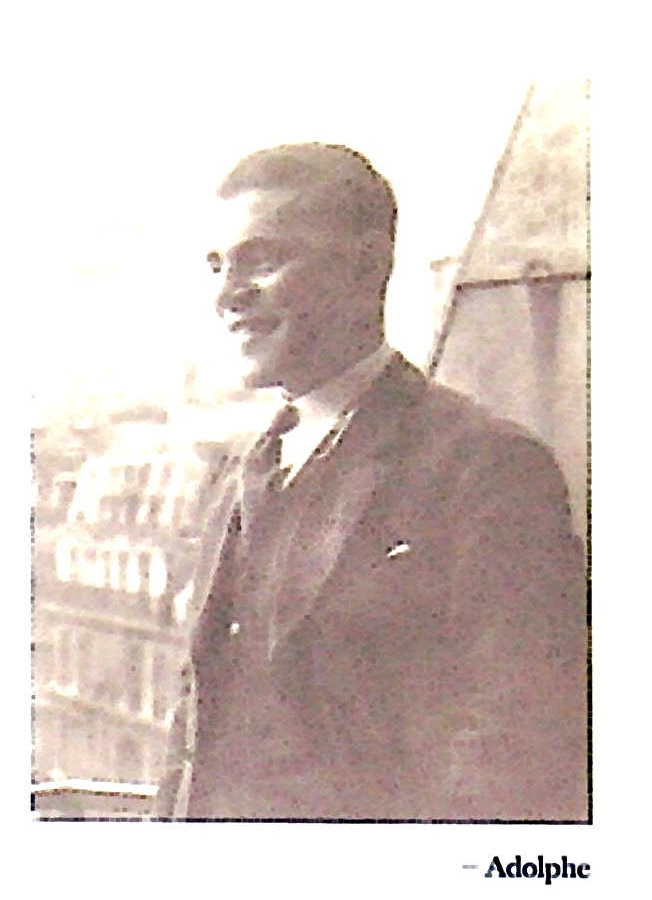
My father, Russian, Polish, French
My father had already navigated the dangers of the century. The Great War and the German invasion of Poland, still a Russian province, caught him by surprise as a child on holiday with his family in Kolberg, on the Baltic Sea. They were interned at Rötigen and then repatriated by the Red Cross via Sweden, the Arctic Circle, Finland, and Saint Petersburg. Poland, having become independent, implemented quotas that oppressed Jews. From Lodz, my father was sent to study in France, in Grenoble, with a one-dollar bill as a lucky charm and his travel allowance. Taking the train in Germany for ”Geneva” he found himself in Genoa, Italy. Geneva is called Genf in German. In Grenoble, penniless, learning French, working to pay for his studies, without seeing his family for three years, he obtained a degree in papermaking engineering. Then, fearing the chlorine fumes from the paper mill, he earned another degree in electrical engineering.
אבי, רוסי, פולני, צרפתי
אבי כבר ניווט בסכנות המאה. המלחמה הגדולה והפלישה הגרמנית לפולין, שעדיין הייתה פרובינציה רוסית, תפסו אותו בהפתעה כילד בחופשה עם משפחתו בקולברג, על הים הבלטי. הם נכלאו ברוטיגן ולאחר מכן הוחזרו
לארצם על ידי הצלב האדום דרך שבדיה, החוג הארקטי, פינלנד וסנט פטרסבורג. פולין, לאחר שהפכה לעצמאית, יישמה מכסות שדיכאו יהודים. מלודז’ אבי נשלח ללמוד בצרפת, בגרנובל, עם שטר של דולר אחד כדמי נסיעה. הוא נסע ברכבת בגרמניה ל”ג’נבה” ומצא את עצמו ב”ג’נובה”, איטליה. ז’נבה נקראת ג’נף בגרמנית. בגרנובל, חסר כל, לומד צרפתית, עובד כדי לממן את לימודיו, מבלי לראות את משפחתו במשך שלוש שנים, הוא השלים תואר בהנדסת נייר. לאחר מכן, מחשש לאדי הכלור ממפעל הנייר, הוא השלים תואר נוסף בהנדסת חשמל.
Page 12
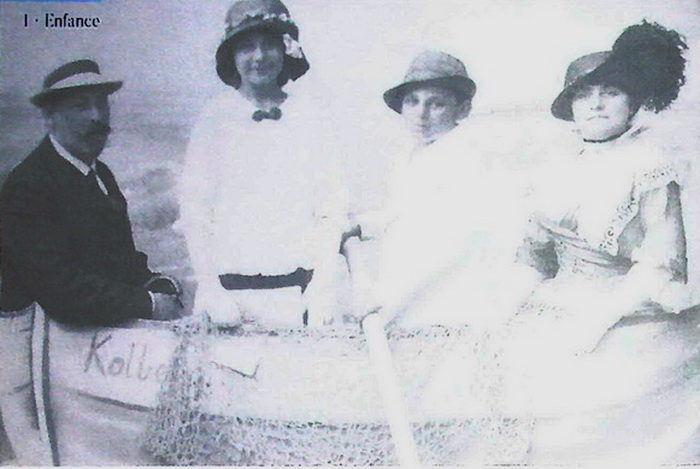
My grandparents and my aunt Franka whom I never met
and my father holidaying on the Baltic Sea (1915 ?)
סבי וסבתי, דודתי פרנקה אותה לא הכרתי, ואבי נופשים בים הבלטי (1915?)
He returned to Poland to do his military service as an officer cadet in the bitter cold of the eastern plains.
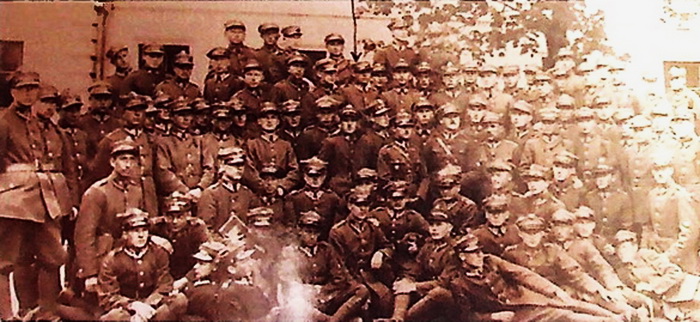
With the Polish cadets in 1930 – all killed at Katyn ?
עם הקדטים הפולניים ב 1930 – כולם נרצחו בקאטין ?
Despite the prestige in Poland of his French diploma, he did not find a position commensurate with his ambitions and returned to France where the company Omnium Electrique et Industriel entrusted him with the electrification of the Aubrac region in central France.
למרות היוקרה בפולין של הדיפלומה הצרפתית שלו, הוא לא מצא משרה התואמת את שאיפותיו וחזר לצרפת שם חברת Omnium Electrique et Industriel הפקידה בידיו את החשמול של ל’אובבארק במרכז צרפת.
Page 13
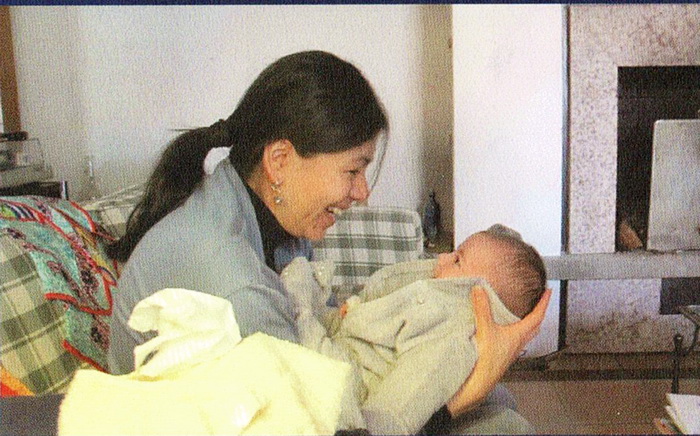
In Aubrac, he met “Poupette” a girl from a well-to-do family in Marseille, on vacation in the mountains. Both families opposed their union. The Fabres were suspicious of this stranger, “from the land of polar bears”, surely a fortune hunter, who admitted he wasn’t even Catholic. They questioned his diplomas and had the French consulate in Warsaw investigate. The Reitbergers, fearing they would lose him due to the distance, hoped to marry him off in Poland and urged him to return. The two lovers resisted and compromised. Adolphe applied for French citizenship and accepted a Catholic marriage, presented to his family as a secular one. Poupette, Rebecca for the occasion, accepted a Hebrew marriage in Toulouse, keeping it secret from her own family. Adolphe and Poupette’s wedding in Marseille; Rebecca’s Hebrew marriage certificate – and both as grandparents with Elsa in Segovia Married in Marseille in 1934, they made the journey to Lodz for their presentation, travelling through Europe where the Nazi threat was rising.
באובראק הוא פגש את “פופט”, אישה ממשפחה טובה ממרסיי, בחופשה בהרים. שתי המשפחות התנגדו לאיחודם. משפחת פאבר חשדה כלפי הזר הזה, “מארץ דובי הקוטב” בוודאי צייד הון, שהודה שאפילו לא היה קתולי. הם הטילו ספק בתעודות שלו ודרשו מהקונסוליה הצרפתית בוורשה לחקור בענין. משפחת רייטברגר, שחששה שתאבד אותו בגלל המרחק, קיוו להשיאו בפולין ודחקה בו לחזור. שני האוהבים התנגדו באמצעות פשרה. אדולף הגיש בקשה לאזרחות צרפתית וקיבל נישואים קתוליים, והציג אותם למשפחתו כנישואים חילוניים. פופט, רבקה למקרה, קיבלה נישואים עבריים בטולוז, תוך שמירה על סודיותם ממשפחתה.
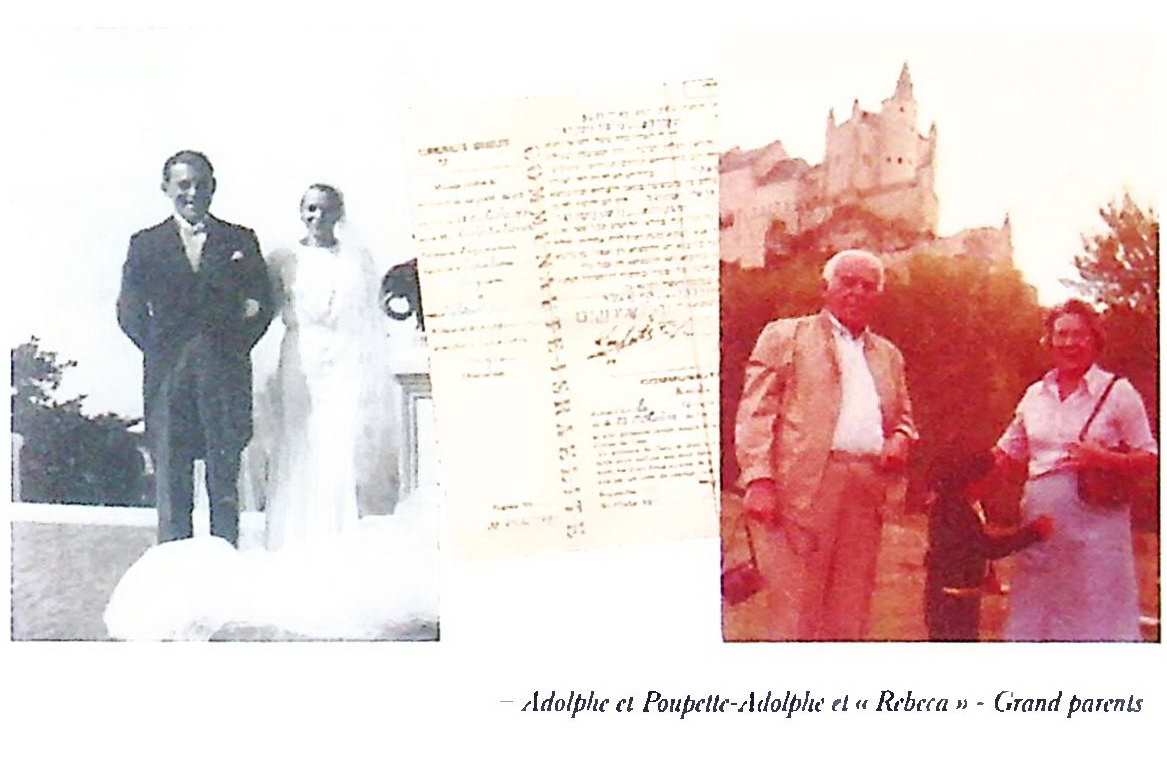
אדולף אל פופט – אדולף אל “רבקה” – סבים וסבתות הם נישאו במרסיי בשנת 1934, ונסעו ללודז’ לצורך הצגתם, ונסעו ברחבי אירופה, שם גבר האיום הנאצי.
Page-14
Surprisingly, Nazism didn’t seem to occupy their minds yet. Their correspondence made no mention of it. What blindness in the “wise advice” ; urging my father to return to Poland! Choosing to stay in France and marry there saved him. Like thousands of Polish officers, he
would have been murdered by the Russians at Katyn, or by the Germans in the Lodz ghetto, or in the extermination camps. His family perished there, body and soul. He could also have perished in France: at the Shoah Memorial in Paris are inscribed the names of French Jews who died in deportation. In the middle is an Adolf Rajtberger, also from Lodz, also born in 1905. He was a watchmaker from Nice.
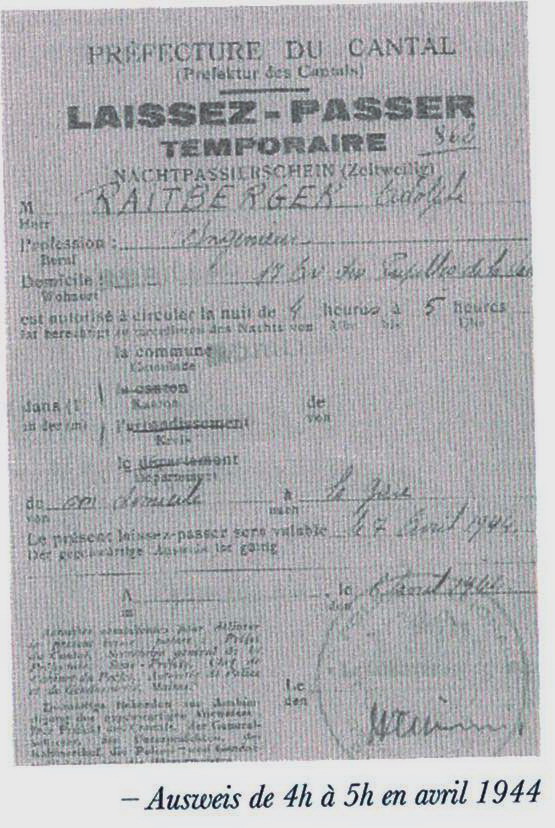
רשות-מעבר לימים 4-5 לאפריל 1944 – Ausweis
My father, however, was lucky. Newly naturalized French, not having declared himself Jewish, he escaped deportation, and we escaped with him. He fought for his new country, in Briançon and Barcelonnette, as an artilleryman since he was an engineer. Then, demobilized, he settled in the free zone, in Aurillac where his company had a construction site. But in November 1942, the Germans occupied all of France.
My father took advantage of the company trucks; Ausweis to transport weapons and supplies for the Resistance.
In a small town, this could not go unnoticed for long: one day, my mother was informed by the friendly police commissioner that her husband was going to be arrested. She warned my father and hid the children under the bed as the militiamen were already banging on the door.
באופן מפתיע, נראה היה שהנאציזם עדיין לא העסיק את דעתם של הורי. ההתכתבויות שלהם לא הזכירו זאת כלל. איזה עיוורון ב”עצה הנבונה”; דחיקתו של אבי לחזור לפולין ! הבחירה להישאר בצרפת ולהתחתן שם הצילה אותו. כמו אלפי קצינים פולנים, הוא היה נרצח על ידי הרוסים בקאטין, או על ידי הגרמנים בגטו לודז’, או במחנות ההשמדה. משפחתו נספתה שם, בגוף ובנפש. הוא היה יכול גם למות בצרפת: באנדרטת השואה בפריז חרוטים שמותיהם של יהודים צרפתים שמתו בגירוש. בבינהם נמצא אחד אדולף רייטברגר, גם הוא מלודז’, יליד 1905. הוא היה שען מניס.
אבי, היה בר מזל. הוא התאזרח לאחרונה בצרפת, מבלי להכריז על עצמו כיהודי, נמלט מגירוש, ואנחנו ברחנו איתו. הוא נלחם למען ארצו החדשה, בבריאנסון ובברסלונט, כתותחן בהיותו מהנדס. לאחר מכן, לאחר השחרור , התיישב באזור החופשי, באוריאק, שם היה לחברה שלו אתר בנייה. אך בנובמבר 1942, הגרמנים כבשו את כל צרפת.
אבי ניצל את משאיות הפלוגה; ורשות-המעבר [ Ausweis ] כדי להעביר נשק ואספקה עבור המחתרת.
בעיירה קטנה, זה לא יכול היה לחמוק מעיני השלטונות לאורך זמן: יום אחד, אמי קיבלה הודעה מאיש משטרה ידידותי שבעלה עומד להיעצר. היא הזהירה את אבי והחביאה את הילדים מתחת למיטה כשחיילי המיליציה כבר דפקו על הדלת.
Page 15
But they didn’t care about her or us. It was him they were looking for.
We joined my father for a holiday in the countryside. That’s when my first (false) memories date from, or I was told about it. Under the tree, they threw cherries at me. Magali was tending the cows. There were snakes in the ferns it was in 1944.
I only learned much later that it was a maquis where other resistance fighters had taken refuge with their families.
The Germans fled Aurillac. We went to the main square to see them board their trucks. My mother held my hands because it was said that the Germans cut off the hands of children who pointed at them. My father was in the official stand.
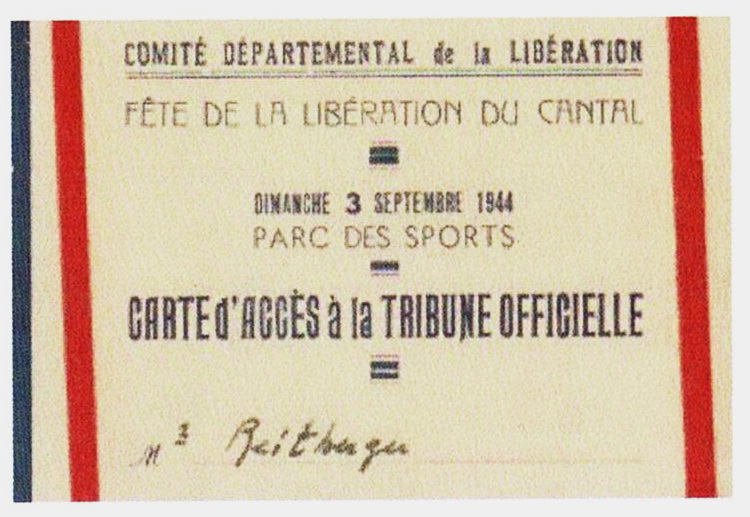
Liberation Day in Aurillac :
Mom had made a tricolor flag with hand-dyed sheets. It was a bit of a failure: the red was more pink than red. My first real memory dates from a while later: I found a wooden pistol in the street outside our house. I can perfectly picture that pistol, square, thin barrel: a standard German Lüger. We were children of the war and our toys were weapons.
לאנשי המיליציה לא היה אכפת מאימי או מאיתנו. אותו הם חיפשו. הצטרפנו לאבי לחופשות בכפר. משם מגיעים הזיכרונות הראשונים (המדומינים) שלי. מתחת לעץ, הם זרקו לי דובדבנים. מגלי [ אחותי] רעתה את הפרות. היו נחשים בין השיחים. סיפרו לי על זה. זה היה ב- 1944. רק הרבה יותר מאוחר נודע לי שזה היה מסתור של אנשי ‘מאקי’ בו מצאו לוחמי התנגדות אחרים מקלט עם משפחותיהם .
הגרמנים עזבו את אורילאק בנסיגה . הלכנו לכיכר המרכזית לראות אותם עולים על המשאיות שלהם. הורי החזיקו לי את הידיים כי נאמר שגרמנים כרתו את ידיהם של ילדים שהצביעו עליהם. ביום השחרור הרשמי באוריאק אמא הכינה דגל טריקולור עם יריעות צבועות ביד. זה היה קצת כישלון: האדום היה פטל. הזיכרון האמיתי הראשון שלי מתוארך לזמן מה לאחר מכן: מצאתי אקדח עץ על הקרקע ברחוב מול הבית שלנו. אני יכול לדמיין בצורה מושלמת את האקדח הזה, מרובע ודק: לוגר גרמני סטנדרטי. היינו ילדי המלחמה והצעצועים שלנו היו כלי נשק.
Page 16
In any case, the German camouflage helmet, protecting the neck, and the two American helmets, the light white one and the heavy khaki one, made of steel, that my father had brought back were very real: we played with them for years. Seventy-five years later, the grandchildren still play with the white American helmet repainted blue. From Aurillac, I remember a wooden horse, white with black eyes, on which I would sit and make move with my feet. Magali had received for Christmas a cardboard doll's room with the same wallpaper as our parents' room. She was thrilled that Santa Claus would have the same wallpaper as us. Of our life during the war, we only have childhood memories. Our parents hardly ever spoke about the war and we didn' task any questions. It is too late now, and we will never know anything of their anxieties, their small victories over hunger, the news of Poland becoming scarce, disappearing forever – when? how? How we regret not having searched in time! Half a century later, I walked around Aurillac with my mother. She remembered everything despite her advanced age. As we strolled through the streets, she pointed at the shops and houses: here lived a collaborator of the Germans, there a
member of the Resistance, this other one was nothing. Many “nothings”, quite a few collaborators.
The Murdered Family After the war, my father searched for his family through the Red Cross,
which stopped the search in 1949. We never knew how they died. I also don’t know how he found some papers, including the Russian identity cards of his parents, Gerszon and Masza. The whole family – 40 in total, including grandparents, parents, and children – lived in Lodz in a five-story building with ornate architecture that belonged to an uncle, Teitelbaum, a textile manufacturer. I often think about what my childhood would have been like in that clan. I never had holidays with my grandparents, nor family reunions.
בכל מקרה, קסדת ההסוואה הגרמנית, שהגנה על עורף הצוואר, ושתי הקסדות האמריקאיות, הלבנה הבהירה והחאקי הכבדה, עשויה פלדה, שאבי הביא בחזרה היו אמיתיות מאוד: שיחקנו איתן במשך שנים. שבעים וחמש שנים מאוחר יותר, הנכדים עדיין משחקים עם הקסדה האמריקאית הלבנה הצבועה בכחול. מאוריאק, אני זוכר סוס עץ, לבן עם עיניים שחורות, שעליו הייתי יושב ומניע עם רגליי. מגלי קיבלה לחג המולד חדר בובות מקרטון עם אותה סדרת שטיחים כמו בחדר הוריה. היא התרגשה שלסנטה קלאוס יהיה את אותו טפט כמו שלנו. מהחיים שלנו במהלך המלחמה, יש לנו רק זיכרונות ילדות. הורינו כמעט ולא דיברו על זה, ולא שאלנו שאלות. עכשיו מאוחר מדי, ולעולם לא נדע דבר על חרדותיהם, ניצחונותיהם הקטנים על הרעב, החדשות על העובדה שהפוליטיקה הופכת נדירה, נעלמת לנצח – מתי? איך? כמה אנחנו מצטערים שלא חיפשנו בזמן! חצי מאה לאחר מכן, טיילתי באוריאק עם אמי. היא זכרה הכל למרות גילה המתקדם. כשטיילנו ברחובות, היא הצביעה: זה היה משתף פעולה, זה חבר במחתרת, זה היה כלום. הרבה “לאף אחד”; לא מעט משתפי פעולה.
המשפחה שנרצחה
אחרי המלחמה, אבי חיפש את משפחתו דרך הצלב האדום, שעצר את החיפוש ב-1949. מעולם לא ידענו איך הם מתו. אני גם לא יודע איך הוא מצא כמה מסמכים, כולל תעודות הזהות הרוסיות של הוריו, גרשון ומאשה. כולם – 40 בסך הכל, כולל סבים וסבתות, הורים וילדים – גרו בלודז’ בבניין בן חמש קומות עם אדריכלות מעוטרת שהיה שייך לדוד שלי, טייטלבאום, יצרן טקסטיל. אני חושב לעתים קרובות על איך הייתה נראית ילדותי בשבט הזה. מעולם לא חוויתי חופשות עם סבי וסבתי, וגם לא מפגשי משפחות.
Page 17
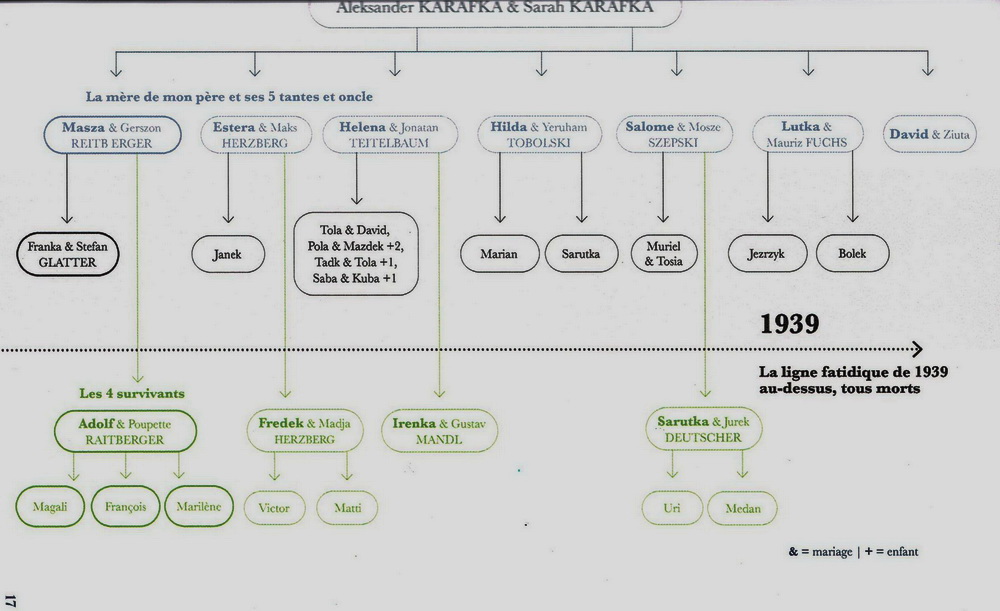


Page 17
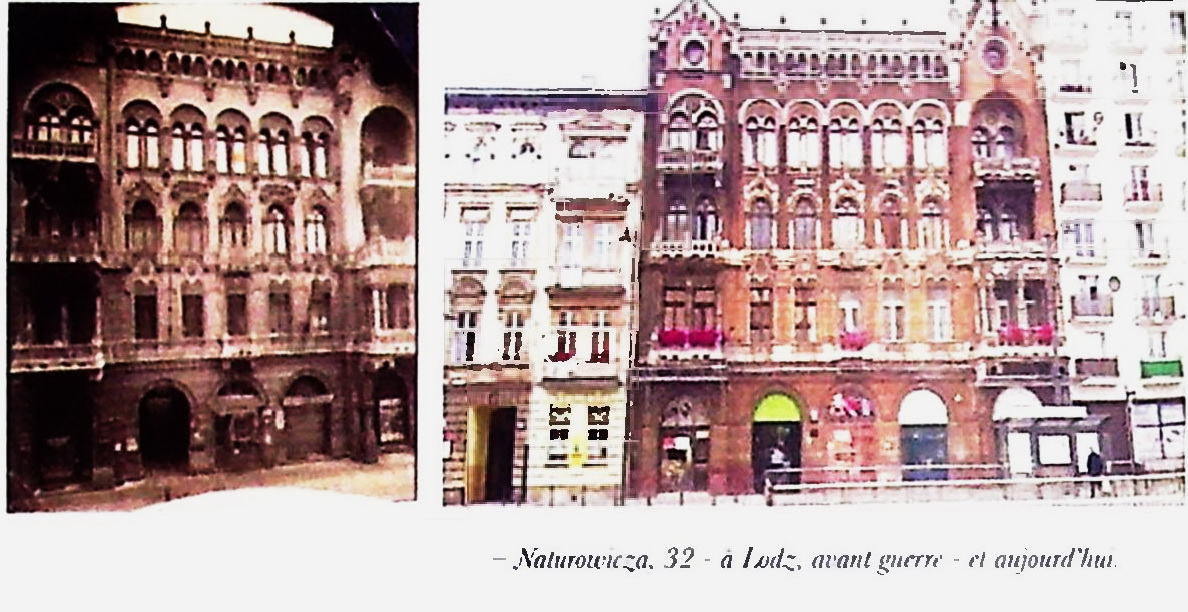
רחוב נרוטוביץ 32 לודז’ – מקום מגורי משפחת טייטלבאום
משמאל – לפני המלחמה – מימין בימים אלה
to be continued
המשכים יבואו
ויקטור הרצברג – Victor Herzberg – 6.12.2025
.
.
____________________________________________
רשימת הפוסטים בנושא : גאווה-משפחתית – ופרנסואה רייטברגר
____________________________________________

גאווה-משפחתית : ♥ Family pride ♥ Fierté familiale ♥
פורסם ב-1 בדצמבר, 2025 [576] גאווה-משפחתית: תרגום הספר FRANCOIS מצרפתית לאנגלית ומאנגלית לעברית
פורסם ב-7 בדצמבר, 2025 [465]
1. François, mon cousin français – בן דודי הצרפתי פרנסואה רייטברגר
2. תרגום הספר FRANCOIS מצרפתית לאנגלית ומאנגלית לעברית; [ חלק ראשון ]
 תרומתכם תתקבל בתודה ובהערכה
תרומה צנועה שלכם, תהא עבורנו אות וסימן, כי ה"מילים" שלנו שיצאו מן הלב והושקעו בהבאתם מאמצים רבים, ושעות עבודה רבות הגיעו ונגעו לליבכם - וכי עמלנו ומאמצינו נשאו פרי ולא היו לשווא ועל כך תבואו על הברכה.


